How To Count Macros
Counting macros is a method of tracking the macronutrients—proteins, carbohydrates, and fats—in your diet. This approach can help you achieve specific fitness goals like weight loss, muscle gain, or maintenance. In this guide, we’ll cover the basics of how to count macros effectively.
Understanding Macronutrients
What Are Macros?
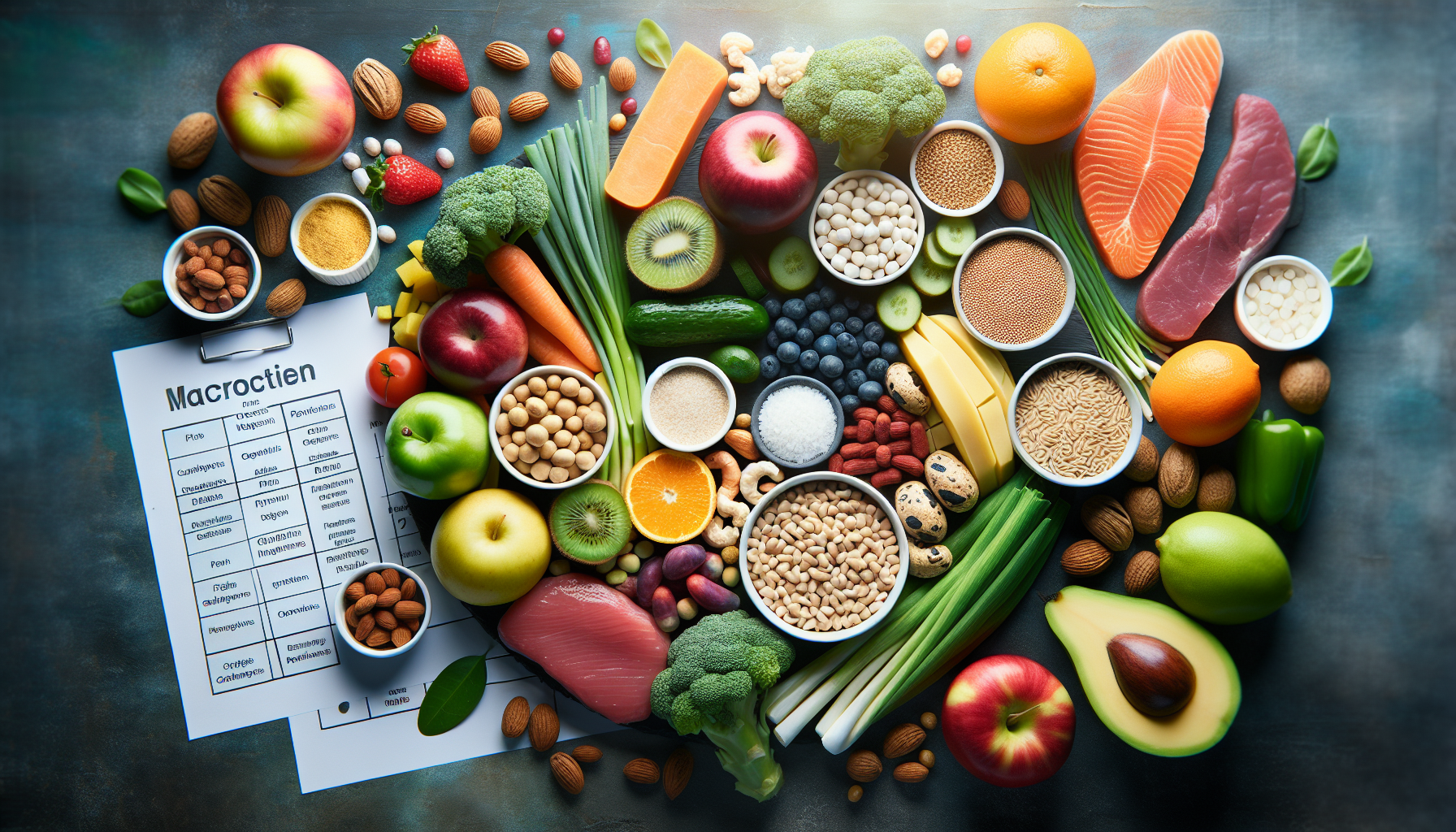
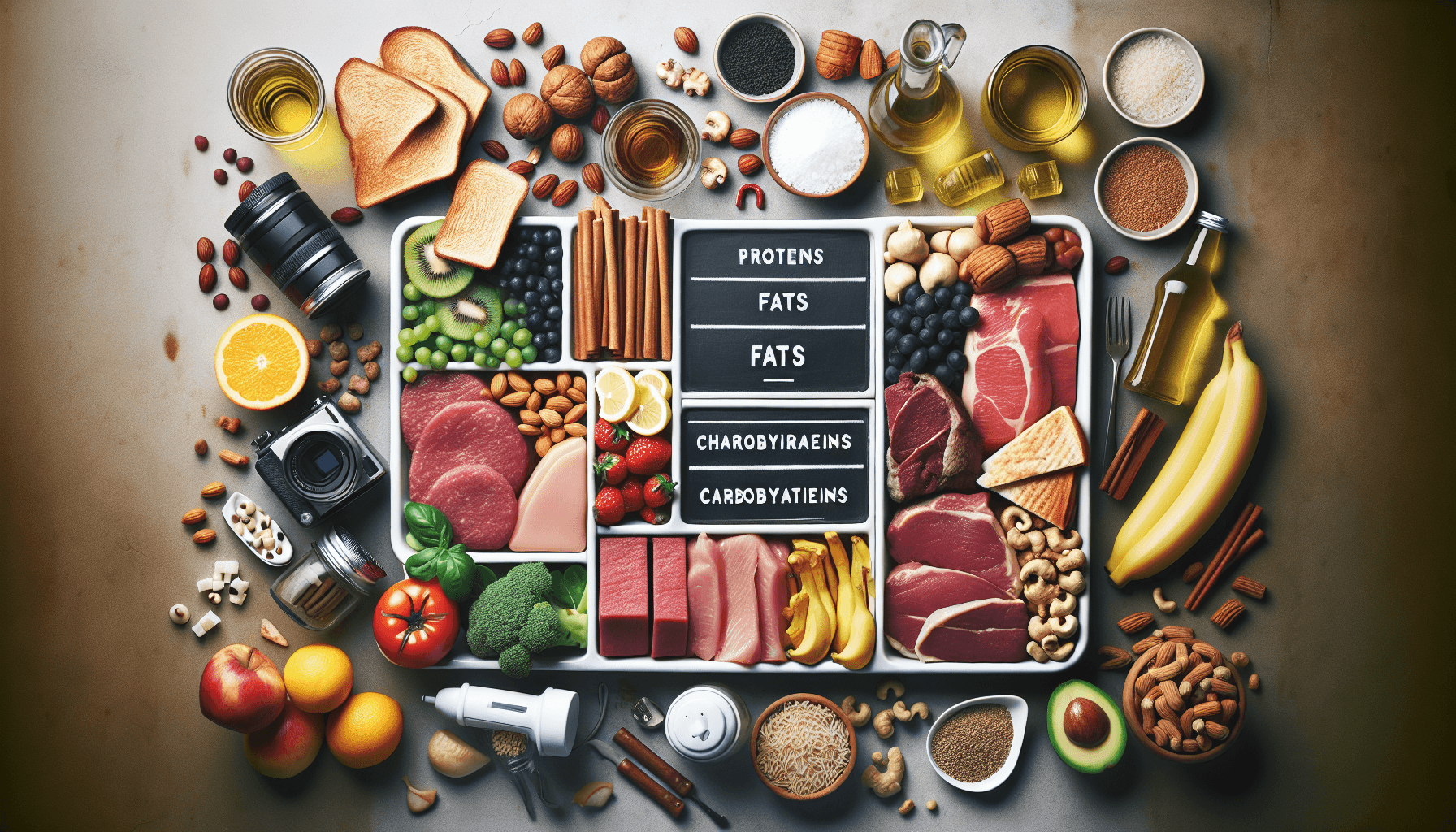
Macros, short for macronutrients, are the nutrients that provide the energy necessary for your body to function. They are divided into three main categories:
- Proteins: Essential for muscle repair and growth.
- Carbohydrates: The body's primary energy source.
- Fats: Important for hormone production and nutrient absorption.
Why Count Macros?
Counting macros allows for a more tailored approach to nutrition. Unlike calorie counting, which only looks at total energy intake, macro tracking focuses on the specific types of nutrients you consume, providing a deeper understanding of your diet.
How To Calculate Your Macros
Step 1: Determine Your Caloric Needs
To start counting macros, you first need to know your total daily energy expenditure (TDEE). You can estimate this using online calculators that consider your age, weight, height, activity level, and fitness goals.
Step 2: Choose Your Macro Ratios
Depending on your goals, you'll need to set your macro ratios:
- For weight loss: A common ratio is 40% protein, 30% carbs, 30% fat.
- For muscle gain: Aim for 30% protein, 50% carbs, 20% fat.
- For maintenance: A balanced ratio like 30% protein, 40% carbs, 30% fat may be effective.
Step 3: Use a Tracking Tool
Manually tracking macros can be cumbersome. This is where an app like Last Calorie can be particularly helpful. With features like AI photo logging, you can simply snap a picture of your meals and get an instant breakdown of calories and macros, making the process much faster and more accurate.
Practical Tips for Counting Macros
1. Plan Your Meals
Pre-planning meals can help you meet your macro goals. Consider batch cooking and preparing meals in advance.
2. Use a Food Scale
Weighing your food can provide more accurate measurements of your macro intake compared to estimates.
3. Keep a Food Diary
Logging your meals helps you stay accountable. Consider using an app like Last Calorie, which allows for easy meal logging in under 30 seconds, ensuring you don't miss tracking any meal.
4. Be Flexible
While it’s important to aim for your macro goals, don’t stress if you occasionally go over or under. The key is consistency over time.
Conclusion
Counting macros can be a highly effective way to meet your nutrition and fitness goals. With tools like Last Calorie, tracking macros becomes simpler and more efficient, allowing you to focus on your results rather than the logistics of tracking. Leverage AI photo logging to make meal tracking a breeze.
Try Last Calorie today to streamline your macro tracking and gain insights into your nutrition like never before!