Flexible Dieting IIFYM
Flexible dieting, often referred to as IIFYM (If It Fits Your Macros), is a nutrition strategy that allows individuals to enjoy a wider variety of foods while still achieving their health and fitness goals. This article will explore the principles of flexible dieting, how it works, and practical tips to implement it effectively.
What is Flexible Dieting?
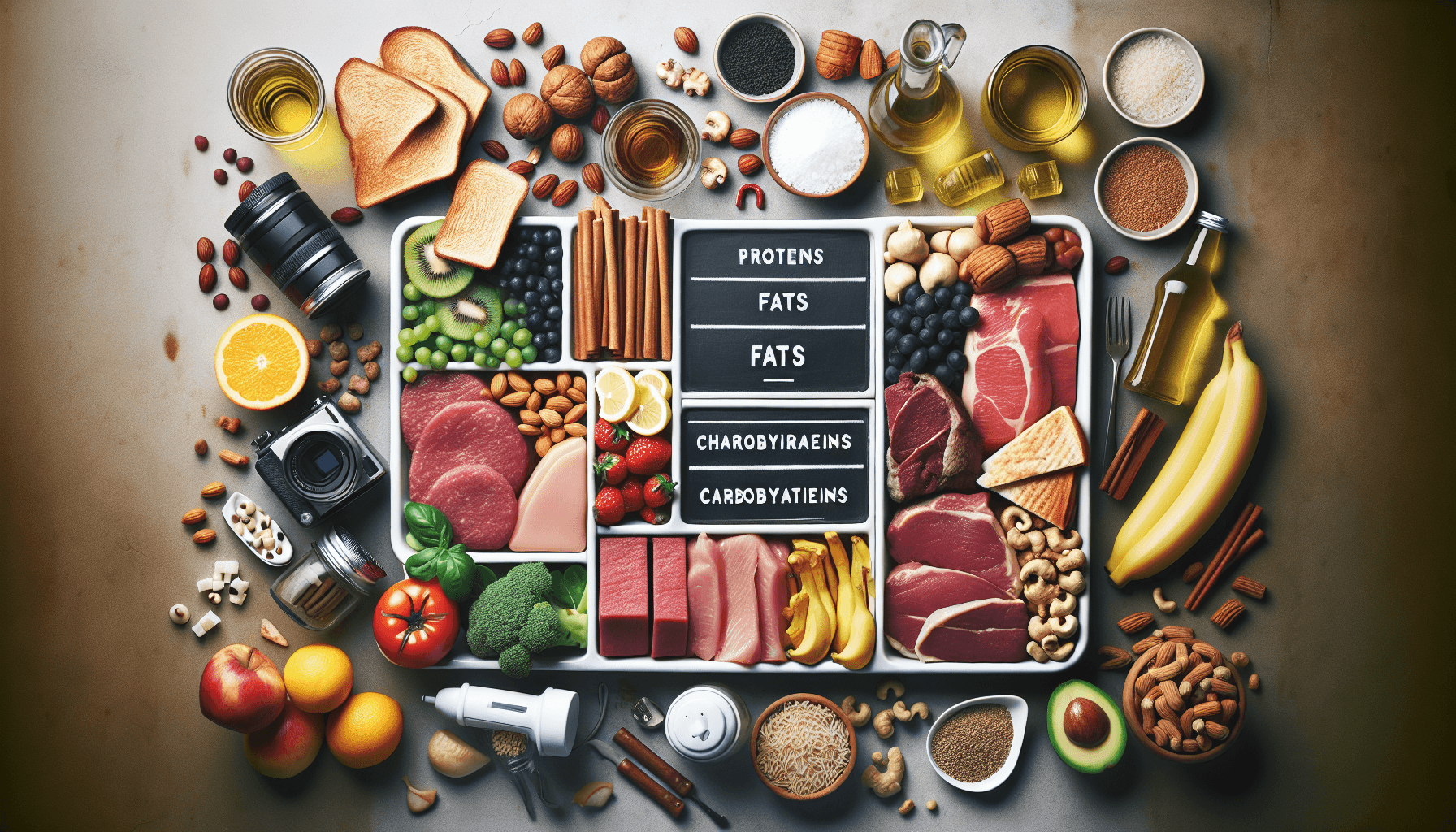
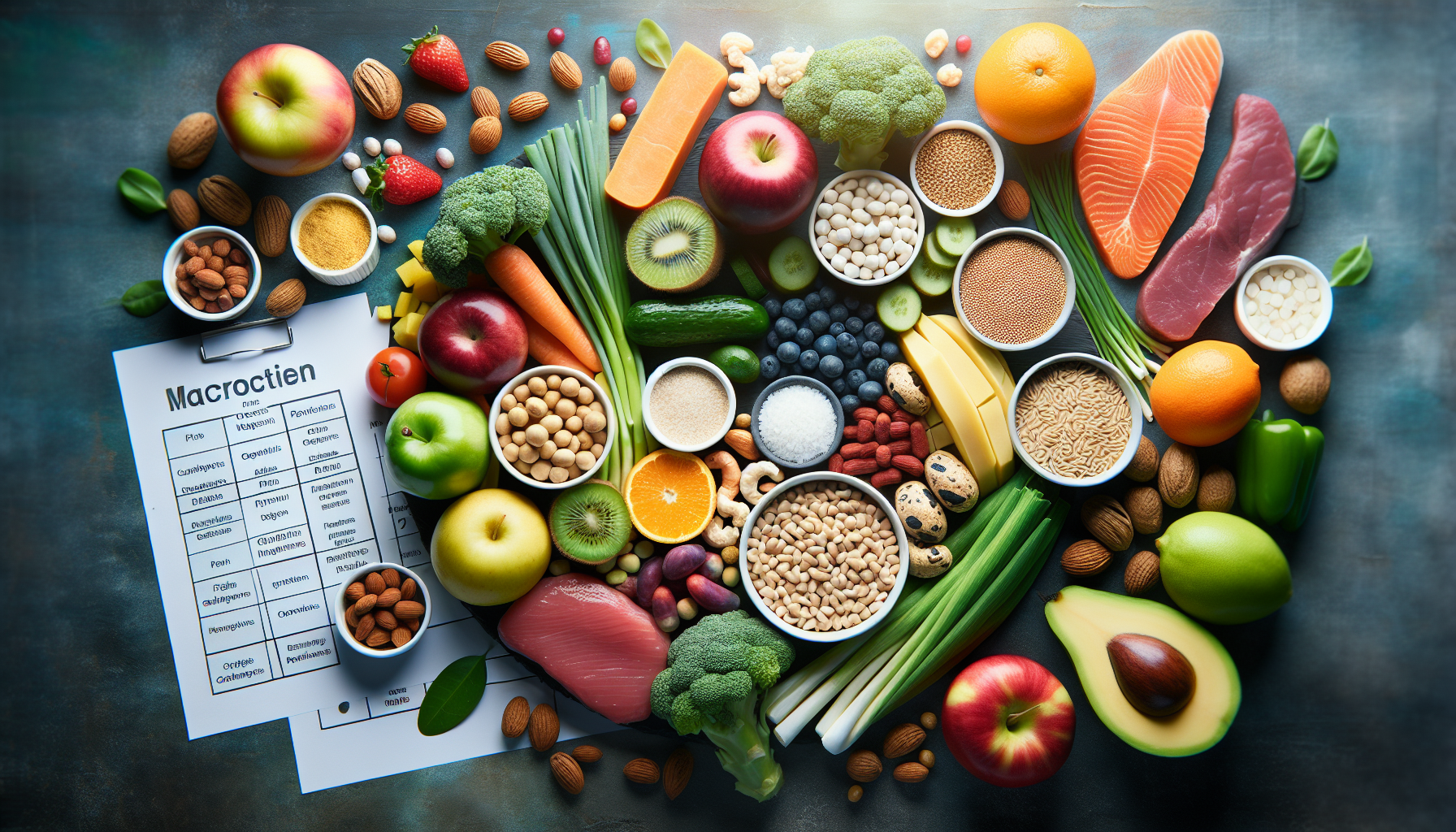
Flexible dieting is an approach that focuses on tracking macronutrients—proteins, fats, and carbohydrates—rather than strictly counting calories or eliminating certain food groups. The idea is simple: as long as you hit your macro targets, you can enjoy your favorite foods without guilt.
The Basics of IIFYM
Understanding Macronutrients
- Proteins: Essential for muscle repair and growth. Sources include meat, fish, eggs, and legumes.
- Carbohydrates: The body’s primary energy source. Found in fruits, vegetables, grains, and dairy.
- Fats: Necessary for hormone production and overall health. Sources include avocados, nuts, seeds, and oils.
Setting Macro Goals
To successfully adopt IIFYM, you'll need to determine your daily macro goals based on your fitness objectives—be it weight loss, muscle gain, or maintenance. This often involves calculating your Total Daily Energy Expenditure (TDEE) and adjusting your macros accordingly.
Practical Tips for Implementing Flexible Dieting
1. Track Your Intake
Use an app like Last Calorie to simplify tracking your food intake. With features such as AI photo logging, you can snap a picture of your meal and receive an instant breakdown of calories and macronutrients in seconds. This makes it easier to stay on track without the hassle of manual entry.
2. Plan Your Meals
Planning meals ahead of time can help you hit your macro targets more effectively. Consider preparing meals that balance your protein, carbs, and fats to ensure you’re meeting your goals throughout the day.
3. Stay Flexible
The beauty of flexible dieting is that you don’t have to be perfect. If you go over or under your macro goals occasionally, it won’t derail your progress. Focus on the bigger picture and adjust your intake as needed.
4. Educate Yourself
Understanding food labels and learning how to calculate macros in different foods will empower you to make informed choices. Familiarize yourself with common foods and their macro profiles.
The Benefits of Flexible Dieting
- Less Restrictive: You can enjoy a wider variety of foods, reducing the chances of feeling deprived.
- Sustainable: This approach can be maintained long-term, making it easier to integrate into your lifestyle.
- Effective: Many find they achieve better results compared to traditional dieting methods due to its flexibility.
Conclusion
Flexible dieting through IIFYM is a practical approach that allows you to enjoy your favorite foods while still working towards your health goals. By utilizing tools like Last Calorie for quick meal logging and macro tracking, you can streamline the process and focus on what really matters—your nutrition and results.
Try Last Calorie today to take advantage of its AI-powered meal analysis, making your flexible dieting journey easier and more enjoyable!