Macros For Intermittent Fasting
Intermittent fasting (IF) can be an effective strategy for weight loss and overall health. However, understanding how to balance your macronutrients—carbohydrates, proteins, and fats—during your eating window is crucial for achieving your goals. This article will guide you on how to manage your intermittent fasting macros effectively.
What Are Intermittent Fasting Macros?
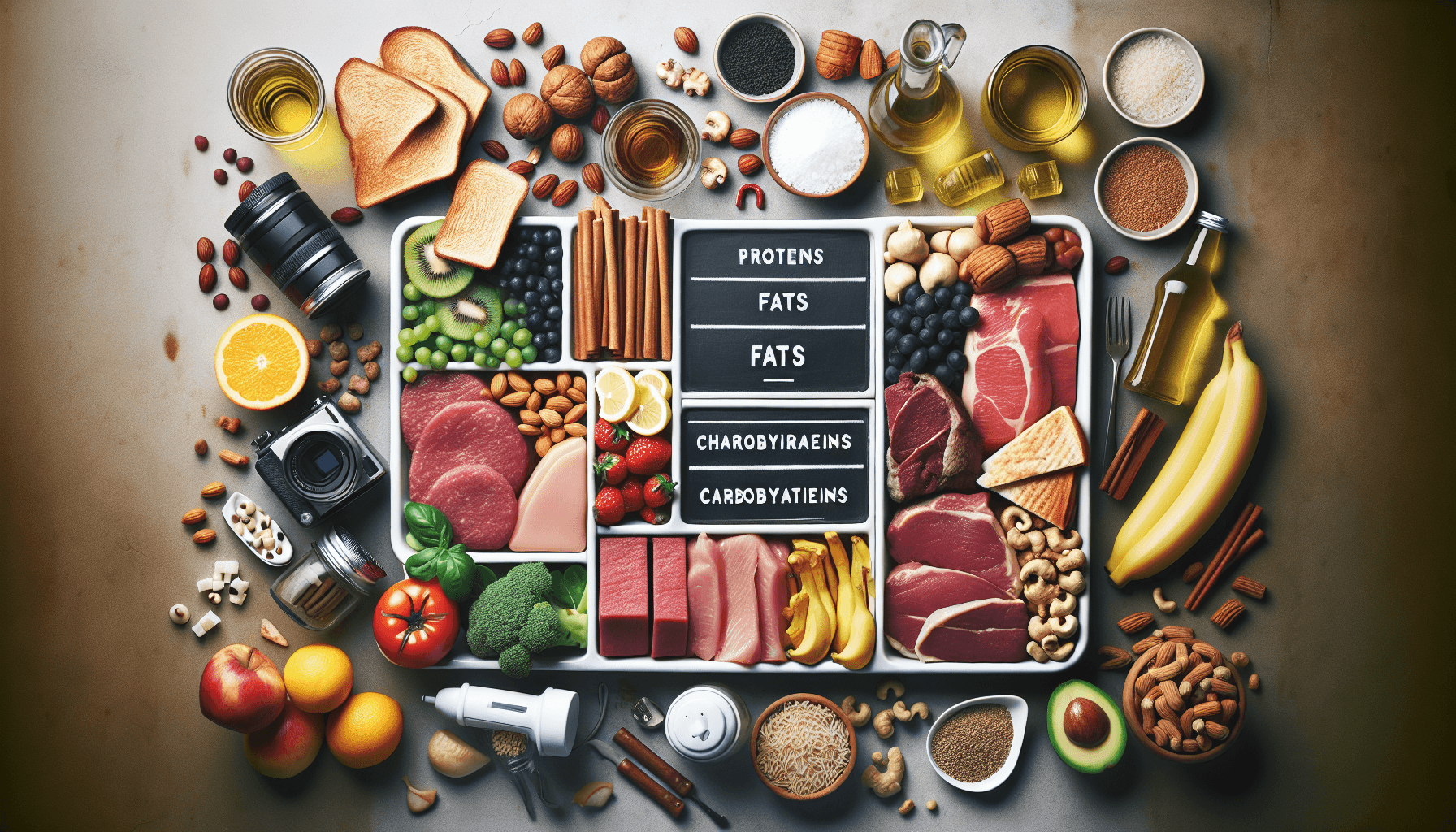
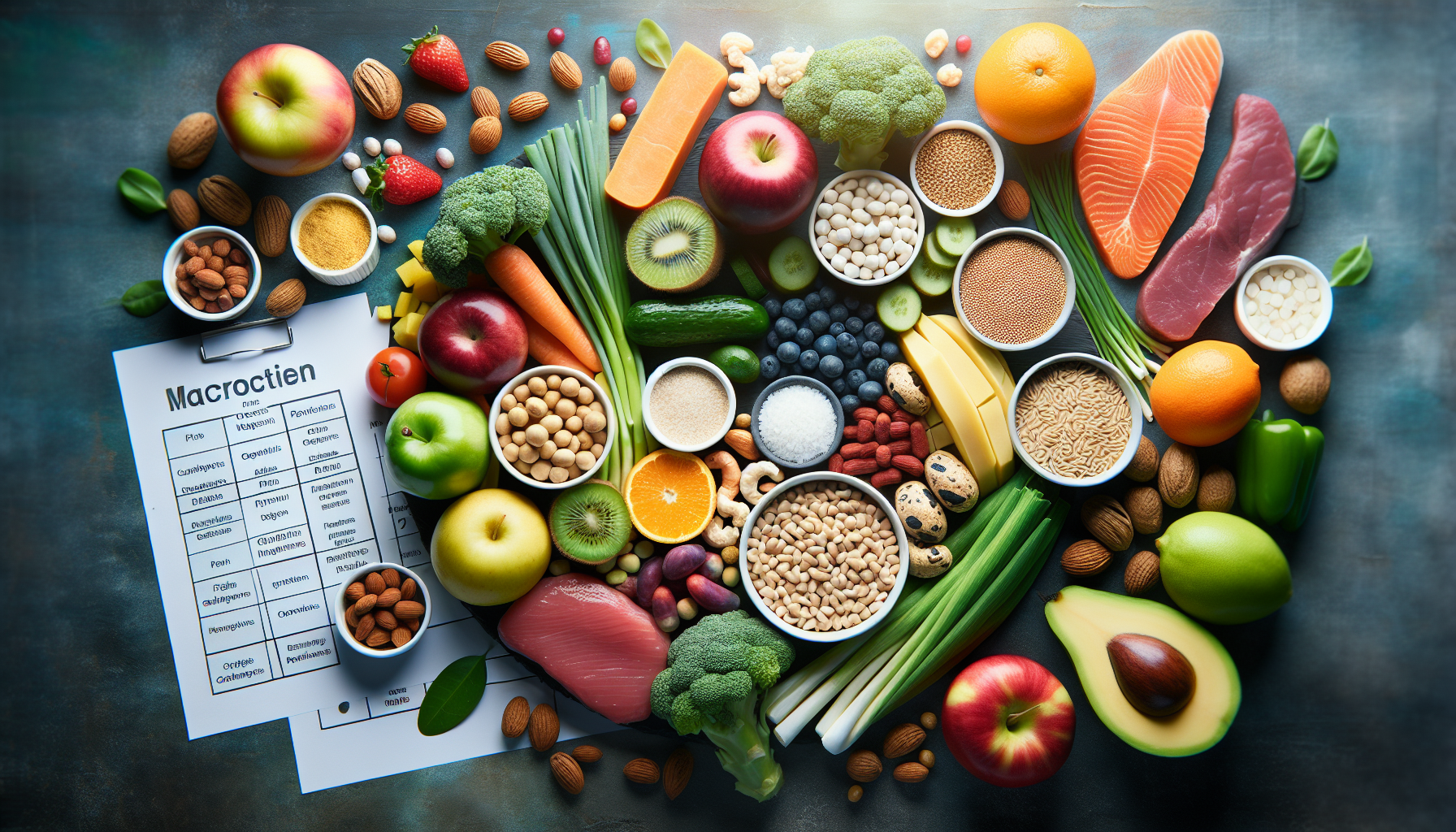
Intermittent fasting macros refer to the specific ratios of carbohydrates, proteins, and fats you consume during your eating periods while practicing intermittent fasting. Properly managing these macros can help you lose weight, build muscle, or maintain your current physique, depending on your goals.
Why Are Macros Important in Intermittent Fasting?
Tracking your macros during intermittent fasting helps ensure that you:
- Meet your nutritional needs: Proper balance of macros supports overall health.
- Achieve your goals: Whether for weight loss or muscle gain, the right macros can enhance your results.
- Control hunger: Adequate protein and healthy fats can keep you satiated longer, making fasting easier.
How to Calculate Your IF Macros
- Determine your daily caloric needs: Use an online calculator or consult a nutritionist.
- Set your macro ratios: A common ratio for fat loss is 40% carbs, 30% protein, and 30% fats, but adjust according to your personal goals.
- Track your intake: Logging your food helps you stay within your macro limits.
Practical Tips for Managing Macros During Intermittent Fasting
1. Plan Your Meals
Planning meals ahead of time helps ensure you hit your macro goals. Focus on whole foods that are nutrient-dense and fit within your macro ratios.
2. Use Tools for Tracking
Utilizing an app can streamline the tracking process. The Last Calorie app allows you to snap a photo of your meals and get an instant calorie and macro breakdown, making it easy to stay on track during your eating window.
3. Focus on Protein
Prioritize protein in your meals. This macronutrient is essential for muscle repair and can help keep you full, making your fasting period more manageable.
4. Stay Hydrated
Drink plenty of water during both your fasting and eating windows. Sometimes thirst is mistaken for hunger.
5. Adjust as Necessary
Monitor your progress and adjust your macros based on how you feel and the results you’re seeing. Flexibility is key in finding what works best for you.
Conclusion
Balancing your macros while practicing intermittent fasting is essential for achieving your health goals. By planning your meals and using tools like Last Calorie, you can simplify the process and ensure you’re hitting your targets. With features like AI photo logging for quick meal analysis, Last Calorie is a practical solution for anyone looking to manage their macros effectively while intermittent fasting.