Macros For Keto Diet
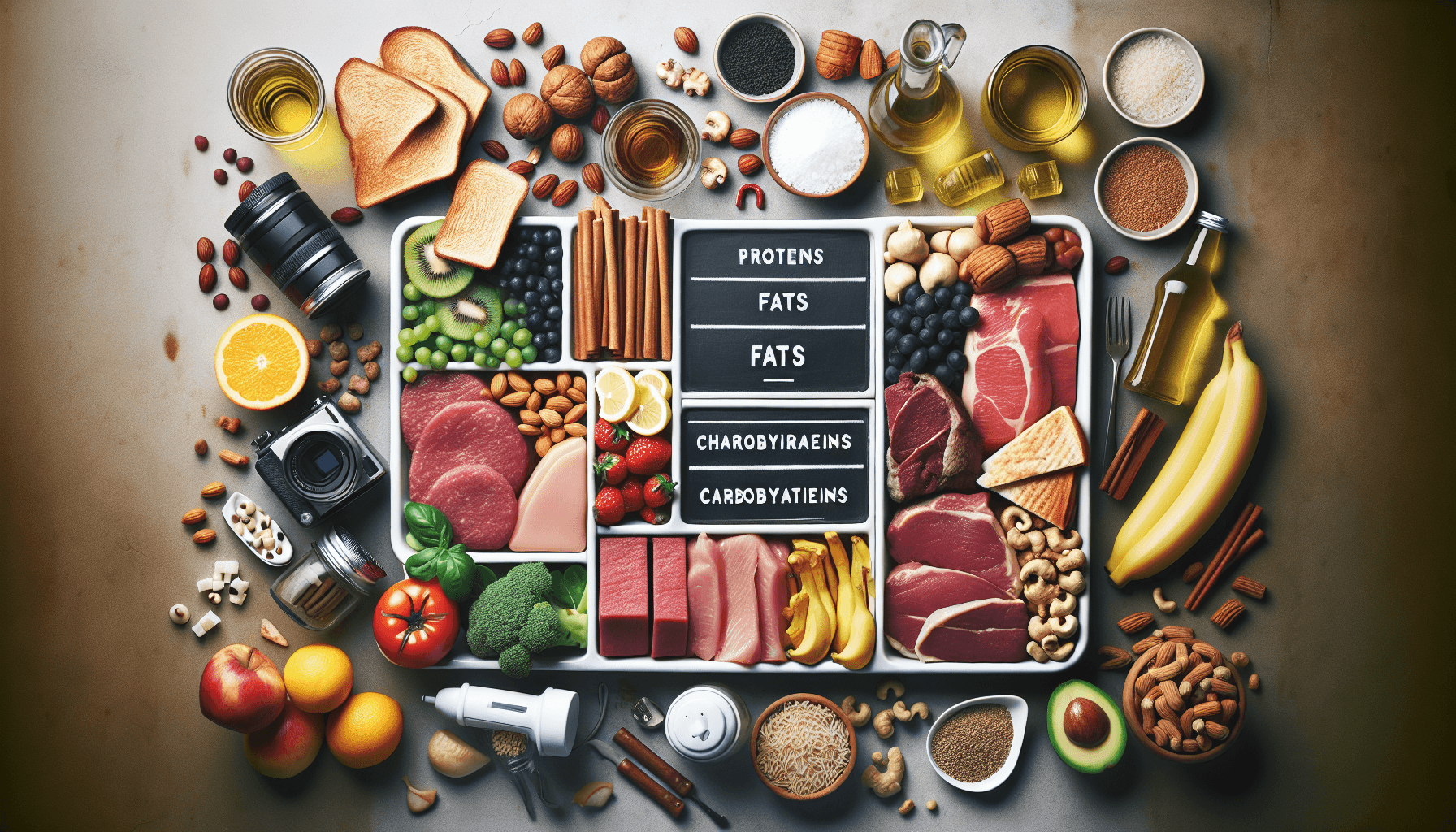
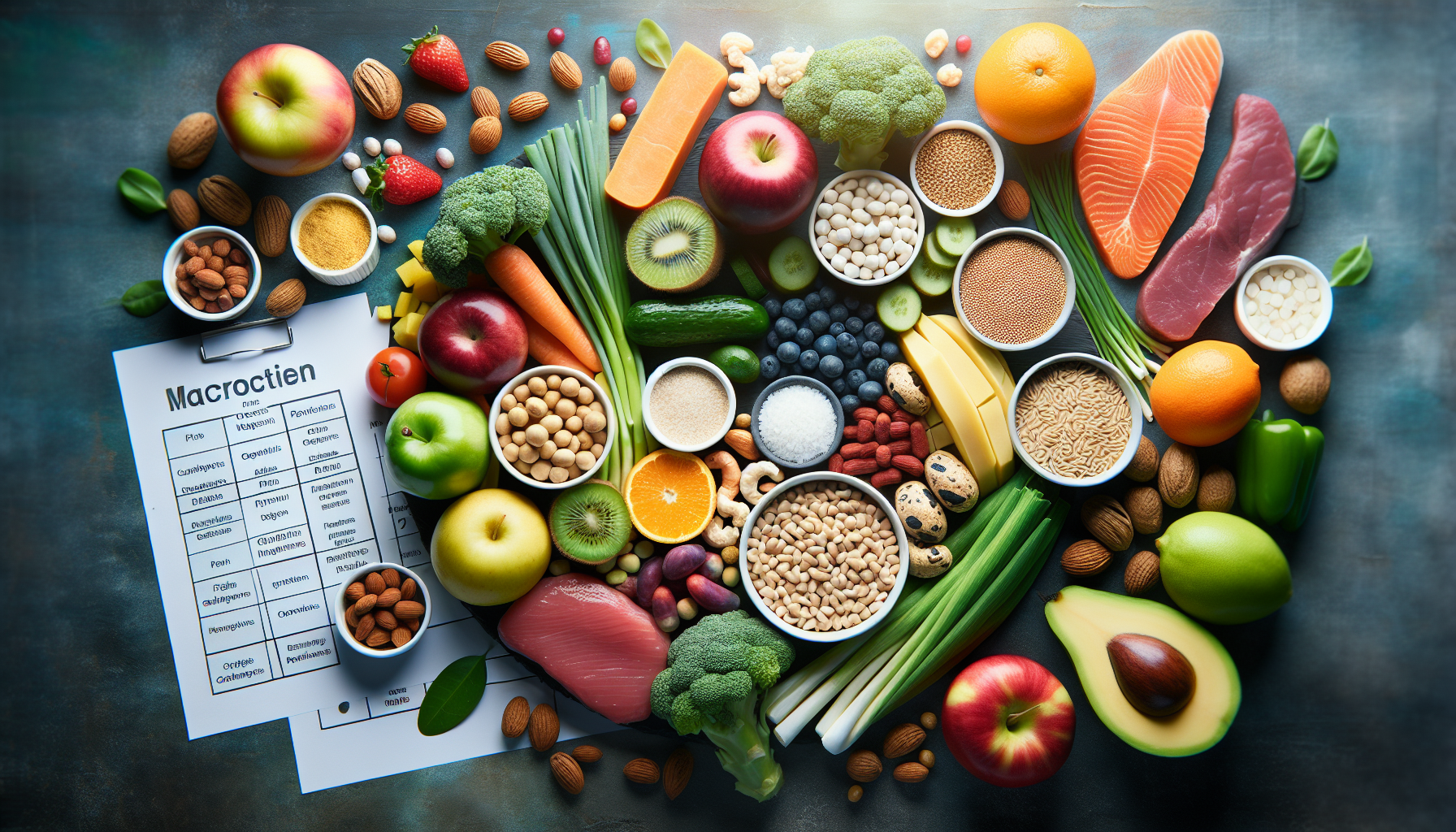
To achieve success on a ketogenic diet, understanding and tracking your macros is essential. The ideal keto macros typically consist of approximately 70-75% fats, 20-25% protein, and only 5-10% carbohydrates. This specific ratio helps your body enter and maintain ketosis, where it burns fat for fuel instead of carbohydrates.
Understanding Keto Macros
What Are Macros?
Macros, short for macronutrients, are the nutrients that provide us with energy: fats, proteins, and carbohydrates. Each macronutrient plays a crucial role in your body's functioning.
Why Are Macros Important for Keto?
On a keto diet, the goal is to drastically reduce carbohydrate intake and replace it with fat. This shift in energy sources requires careful tracking of your macros to ensure that you stay within the ketogenic ratios necessary for ketosis.
Ideal Keto Macro Ratios
1. Fats (70-75%)
Fats are the cornerstone of the keto diet. Healthy fats such as avocados, olive oil, and nuts should make up the majority of your caloric intake. This high-fat intake helps to keep you satiated and provides a stable source of energy.
2. Proteins (20-25%)
While protein is essential for muscle maintenance and repair, too much can kick you out of ketosis. Focus on moderate protein sources like chicken, fish, and eggs. Aim for around 0.6 to 1.0 grams of protein per pound of lean body mass.
3. Carbohydrates (5-10%)
Carbohydrates should be minimized to keep your body in a state of ketosis. Non-starchy vegetables, like leafy greens and broccoli, are excellent choices for low-carb intake.
Practical Tips for Tracking Macros on Keto
- Use a Calorie Tracking App: Tracking your macros can be challenging, but using an app like Last Calorie can make it easier. With its AI photo logging feature, simply snap a picture of your meal, and you’ll receive an instant calorie and macro breakdown.
- Meal Prep: Planning your meals ahead of time can help you stick to your macro ratios. Preparing meals in advance allows you to control what goes into your body.
- Stay Hydrated: Sometimes, thirst is mistaken for hunger. Drinking enough water can help you manage your appetite and maintain energy levels on a keto diet.
- Experiment and Adjust: Every body is different. Monitor how your body reacts to different macro ratios and adjust as needed to find what works best for you.
- Educate Yourself: Understanding food labels and knowing which foods fit into your macro goals can make a significant difference.
Conclusion
Successfully managing your keto macros is crucial for achieving your dietary goals. By using tools like the Last Calorie app, particularly its AI-powered meal analysis feature, you can easily track your intake and ensure you’re staying within your desired macro ratios. Start your journey to effective keto tracking today and see how Last Calorie can support your health goals!