How to Incorporate More Protein Into Your Diet
Increasing protein in your diet can support muscle growth, weight management, and overall health. Here’s how to do it effectively.
Understand Your Protein Needs
To incorporate more protein into your diet, first, determine how much you need. The general recommendation is:
- Sedentary adults: 0.8 grams per kilogram of body weight
- Active individuals: 1.2 to 2.0 grams per kilogram, depending on activity level and goals
Choose High-Protein Foods
Incorporate foods that are naturally high in protein. Here are some great options:
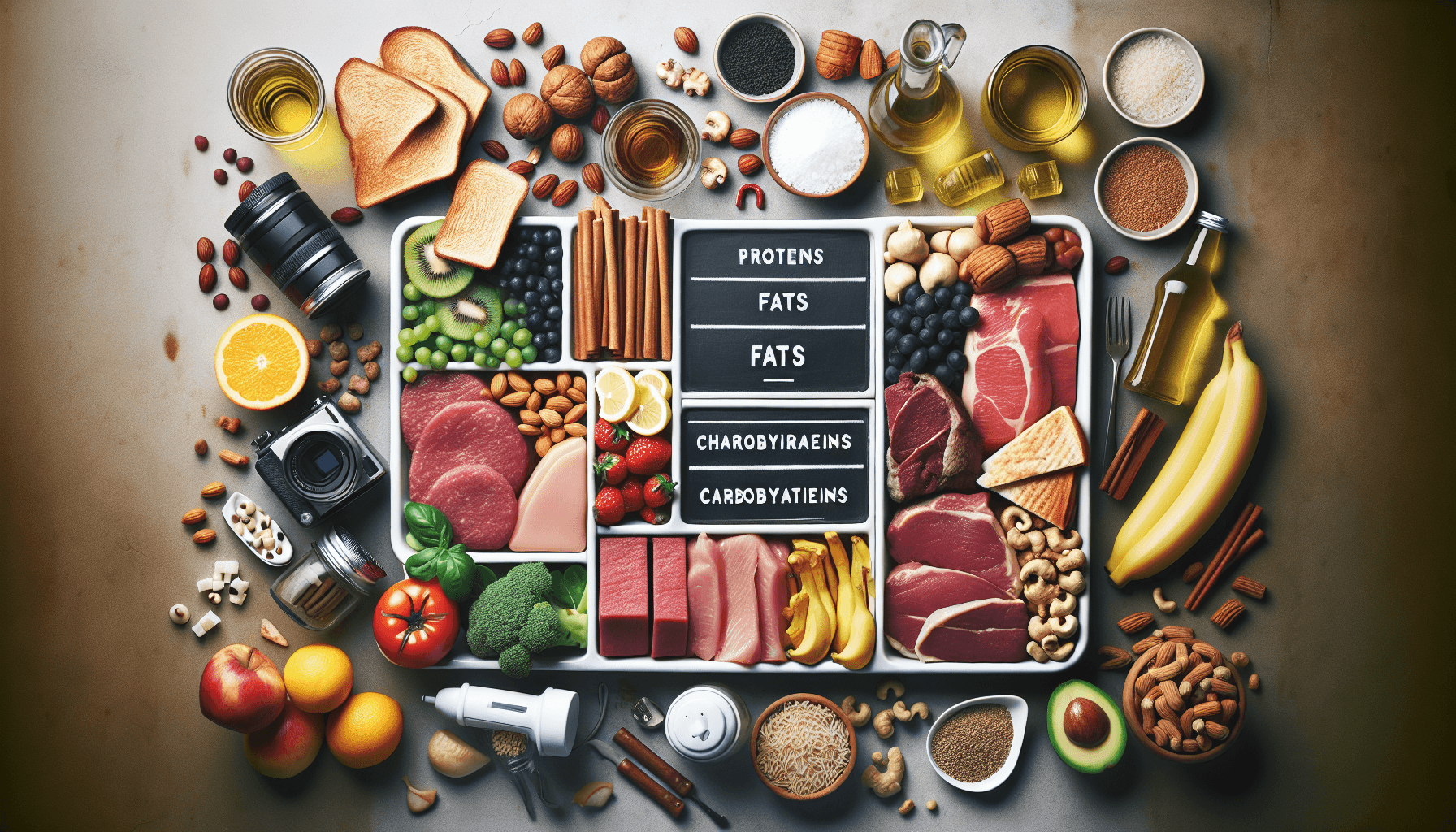
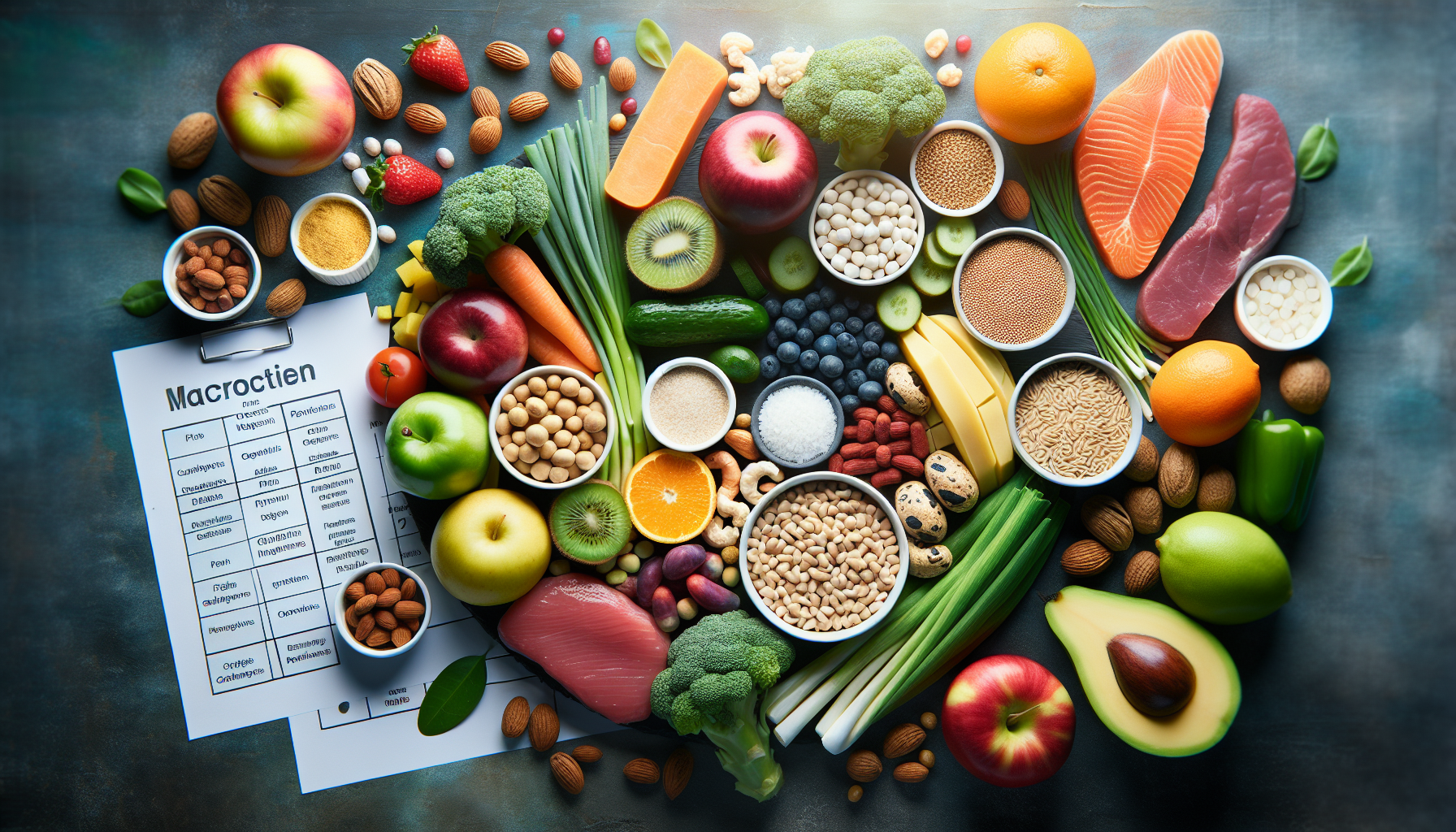
- Lean meats: chicken, turkey, and lean cuts of beef
- Fish: salmon, tuna, and other seafood
- Dairy: Greek yogurt, cottage cheese, and milk
- Legumes: lentils, chickpeas, and black beans
- Nuts and seeds: almonds, peanuts, and chia seeds
Include Protein in Every Meal
Make it a habit to include a protein source in every meal. Here are practical tips:
- Breakfast: Add eggs, Greek yogurt, or protein powder to smoothies.
- Lunch: Include grilled chicken or tofu in salads.
- Dinner: Serve fish or lean meat with vegetables.
- Snacks: Choose protein bars, cottage cheese, or nut butter on whole grain toast.
Use Protein Supplements Wisely
If you're struggling to meet your protein needs, consider supplements like protein powders. They can be a convenient way to boost intake, especially post-workout.
Track Your Protein Intake with Last Calorie
Using an app like Last Calorie makes it easy to monitor your protein intake. With its AI photo logging feature, you can simply snap a photo of your meal, and within seconds, receive an accurate calorie and macro breakdown, ensuring you meet your daily protein goals without tedious manual entry.
Stay Consistent
Consistency is key when it comes to increasing your protein intake. Try these strategies:
- Plan your meals ahead of time.
- Prepare protein-rich snacks for on-the-go.
- Keep a variety of protein sources available at home.
Conclusion
Incorporating more protein into your diet can be straightforward with the right strategies. By understanding your needs, choosing high-protein foods, and tracking your intake, you can achieve your nutrition goals effectively.
For ease of tracking, consider using Last Calorie, which offers features like AI-powered meal analysis and a vast food database to simplify your nutrition journey.